What exactly is a skin phototype?
A phototype describes the skin’s natural sensitivity to UV radiation and its tendency to tan. The six-point Fitzpatrick scale is the most widely used system. Assessment takes account not only of natural skin colour but, above all, of the skin’s response to sunlight: how readily it reddens or burns, whether it gradually tans and how lasting that response is.
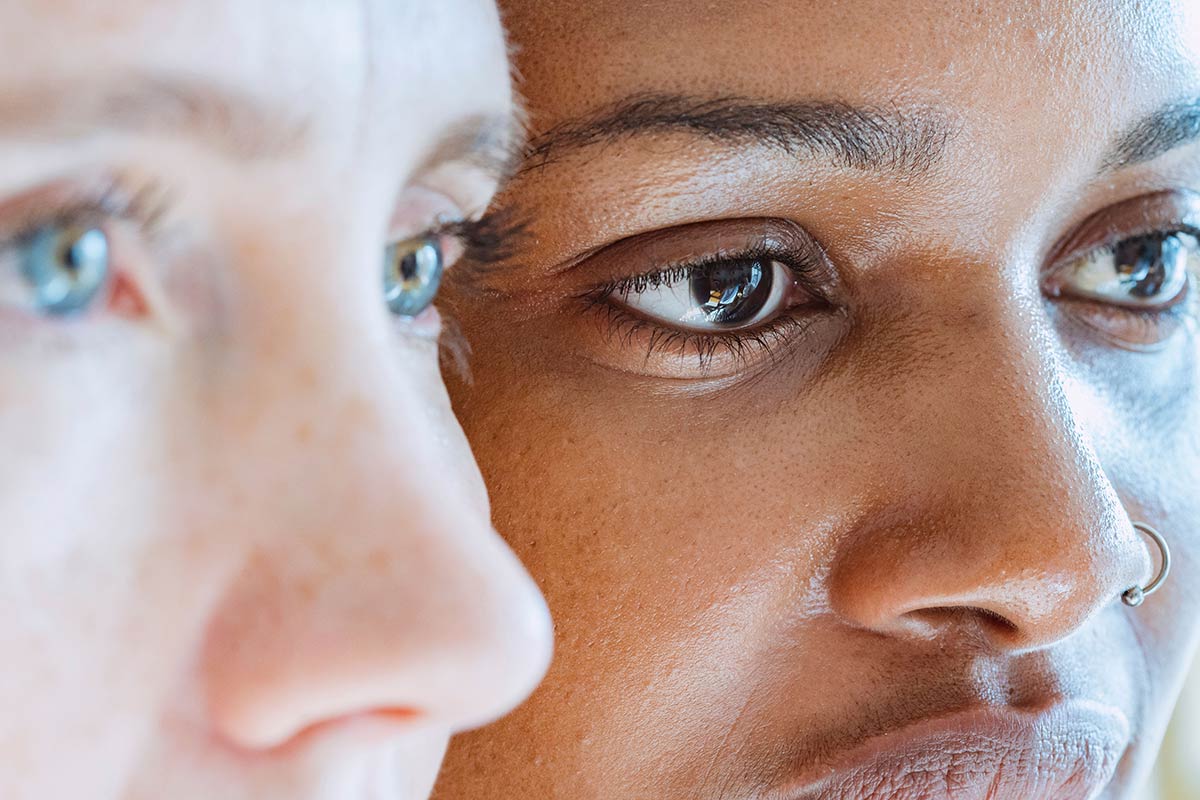
Natural hair and eye colour and the presence of freckles can also offer clues. Appearance alone is not enough for a reliable assessment, however. People with similar complexions may respond differently to UV, so your own experience of sunlight matters more than matching a photograph in a chart.
The six phototypes at a glance
Phototype I: burns extremely easily and does not tan. Typically very fair skin, often with freckles, light eyes and red or very fair hair. Even brief exposure can cause pronounced redness.
Phototype II: burns easily and tans slowly. Usually fair skin, light eyes and blonde to light-brown hair. A tan develops gradually and generally remains subtle.
Phototype III: may burn and tans progressively. Often fair or slightly olive skin, with dark-blonde to brown hair. Pigmentation gradually increases with appropriately planned exposure.
Phototype IV: rarely burns and tans readily. Usually olive or medium-toned skin, dark hair and dark eyes. Redness is less common than in phototypes I–III, but remains possible.
Phototype V: very rarely burns and tans very readily. Naturally brown skin with a strong capacity to deepen in colour.
Phototype VI: burns exceptionally rarely and readily increases pigmentation. Very dark, highly pigmented skin. More melanin does not remove the effects of UV or the need for a cautious approach to exposure.
The boundaries between phototypes are not always clear-cut. Recognising characteristics of two neighbouring groups is perfectly normal.
Redness and tanning are not the same process
Skin tanning involves melanin, the natural pigment produced by melanocytes. Redness, by contrast, is an inflammatory reaction to excessive UV exposure and a sign of skin damage. It is not a stage you have to go through to develop a tan. If skin becomes noticeably pink, stings or hurts after exposure, that is not a desirable result.
Identify your phototype step by step
- Look at your untanned skin. Assess its natural shade somewhere normally shielded from the sun. Your current post-holiday colour can be misleading.
- Think back to your first sunny days. Does unprotected skin redden quickly? Does redness appear first, or does the skin gradually turn brown?
- Consider how readily you develop colour. Do you barely tan, build colour slowly, or tan quickly and deeply?
- Use hair colour, eye colour and freckles as clues. They can help narrow the options but should not determine the result on their own.
- Compare your answers with all six descriptions. If you fall between two groups, take the more cautious approach when planning exposure and discuss it with salon staff.
Why is knowing your phototype useful?
Phototype is a useful starting point for discussing skin sensitivity and avoiding comparisons with another person’s tanning schedule. It does not, however, provide a single ‘safe duration’. Responses to UV can be affected by current skin condition, previous burns, medicines and photosensitising products, medical conditions, cosmetic treatments, the intensity of the equipment and recent exposure.
If you are uncertain of your phototype, redden easily or notice an unusual reaction, speak to trained salon staff, or consult a doctor if you have a skin concern. Phototype is a good starting point, but paying attention to your skin is just as important.
Your phototype is a guide, not a ready-made tanning plan
A phototype primarily describes the skin’s typical response to UV: its tendency to burn and ability to develop a tan. Assess it using natural skin colour and your history of sun exposure, not just hair or eye colour. Use the result to make more cautious decisions, never as automatic permission for a particular exposure time.