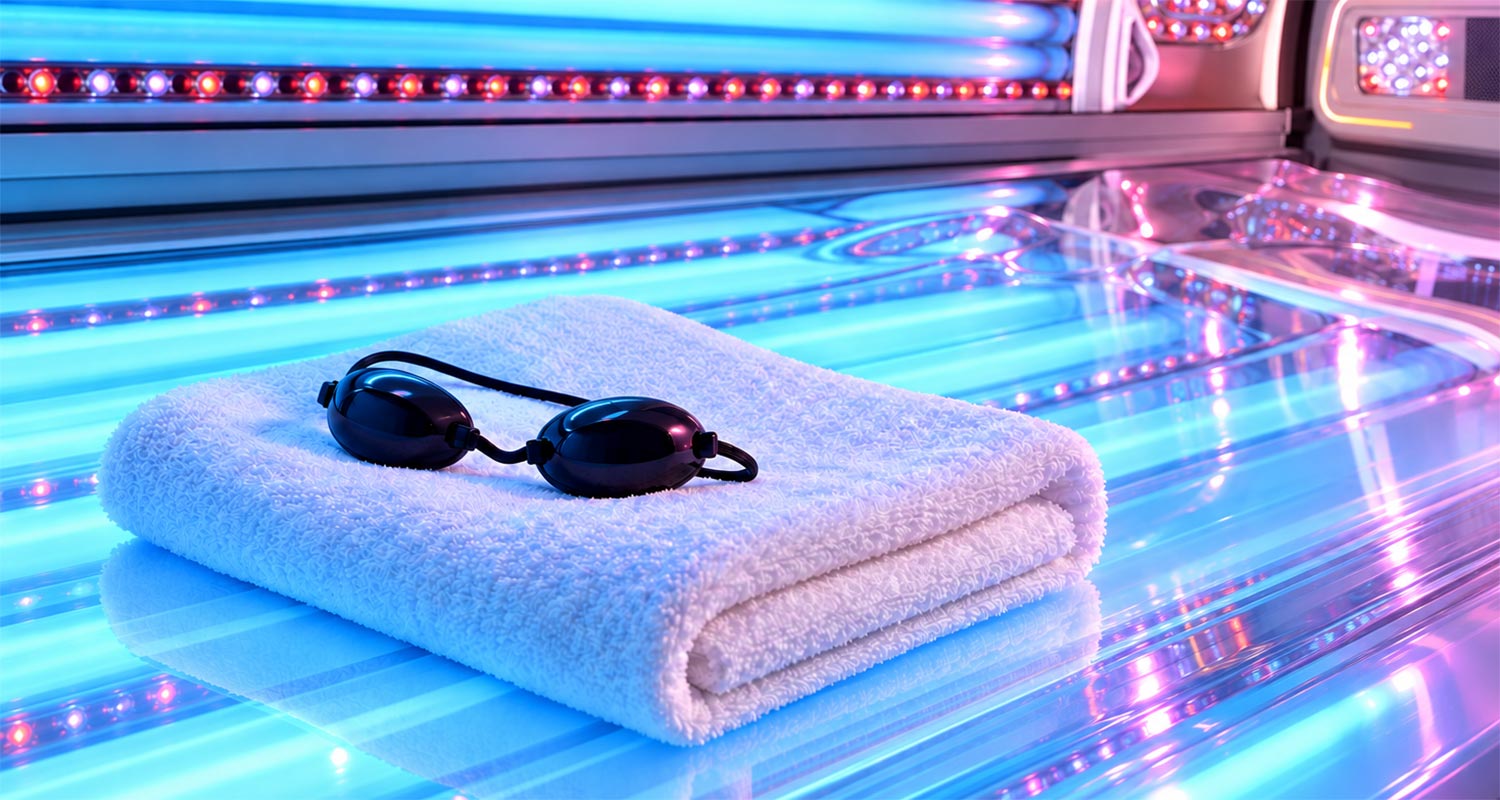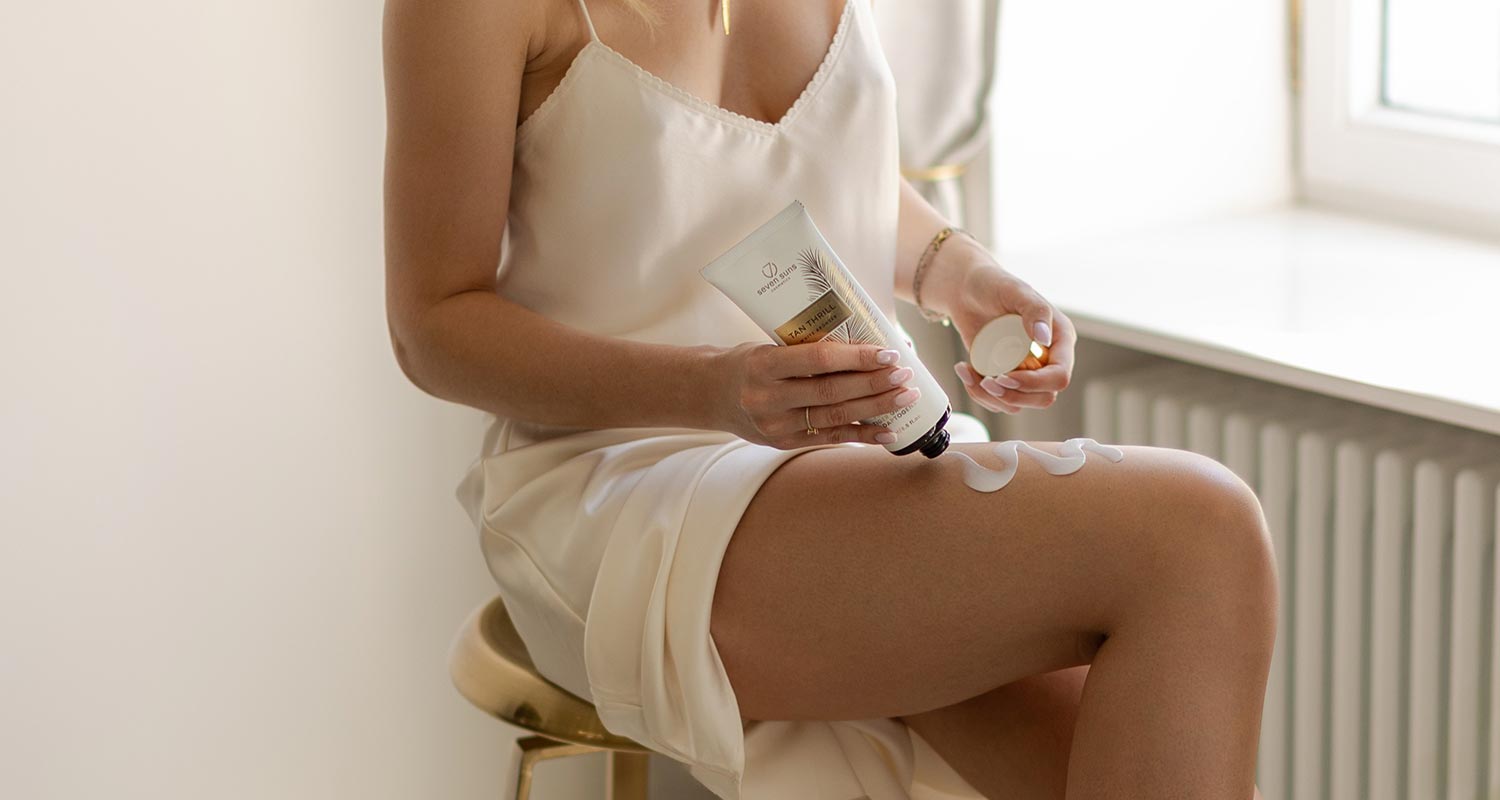
A typical high-street cosmetic is developed primarily for daily care. It may moisturise, replenish lipids, smooth or meet particular skin needs, yet still be unsuitable for applying immediately before a sunbed session.
A tanning salon cosmetic has a different purpose. Above all, it supports and accelerates melanogenesis, helping the skin develop the desired tan. It should also spread evenly, absorb promptly and be suited to the conditions inside the equipment. Depending on its formula, it may care for the skin, support natural tanning or provide additional cosmetic colour.
It is also important to distinguish tanning cosmetics from sun protection. An SPF product reduces the amount of UV radiation reaching the skin. A tanning salon cosmetic is not automatically a sunscreen and never justifies extending a session.
Regular skincare products
Everyday skincare is intended for daily use, not necessarily for exposure to intense UV radiation and the heat of a sunbed. This does not mean these products are poor quality. They simply need to be assessed against different criteria before a session.
Heavy or slow-absorbing formulas may leave residue on both skin and equipment. Oils, colourants and ingredients that deposit a film can cause stubborn marks on surfaces. Certain fragrances, essential oils, extracts or topical medicines may trigger phototoxic or photoallergic reactions under UV. Very heavy formulas can also feel uncomfortable and contribute to clogged pores.
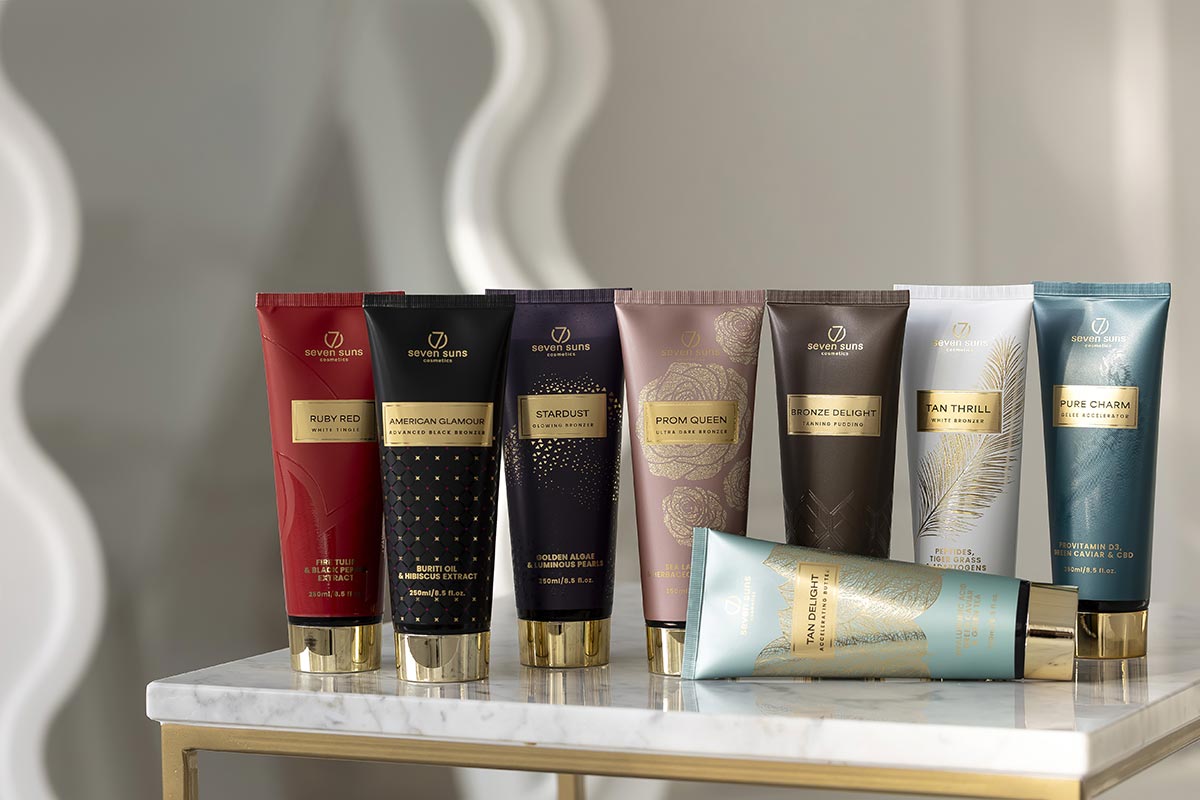
Professional tanning salon cosmetics
Products made specifically for sunbeds are designed for application immediately before a session. They generally spread easily, absorb more quickly and help maintain skin comfort and moisture. Their texture should also be compatible with the equipment’s surfaces.
A formula for sunbed use should avoid ingredients known to be phototoxic or photoallergenic. Such products are typically based on light, non-comedogenic textures that do not clog pores. These characteristics depend on the individual formula, however, so always check the label and choose a product from the salon’s professional range.
Tanning accelerator, bronzer or tingle?
A tanning accelerator is designed to support the skin’s natural pigmentation. Unlike a bronzer, it does not directly colour the skin in the same way; the speed of results depends on the regularity of sessions and the concentration of tan-accelerating ingredients. High-quality accelerator will simply generate longer-lasting results.
A bronzer provides a visible colour effect. A delayed bronzer contains DHA, so the colour develops in the hours following the tanning session. An instant bronzer, as the name suggests, deepens the appearance of colour straight away. With both, even application and thorough hand cleansing afterwards are especially important.
A tingle product produces warmth, tingling and temporary redness through ingredients that stimulate microcirculation, giving a heated sensation. It is generally intended for experienced users who know how their skin responds. It is not suitable for a first visit, irritated or highly sensitive skin, or the face.
Texture and fragrance matter too
Professional products can be selected for their texture and scent as well as the desired results. Choices include lotions, body butters, dry oils and lightweight gels. Someone who enjoys a particular texture and fragrance is more likely to apply the product thoroughly and evenly.
The right product can enhance skincare comfort and help achieve the intended visual result sooner. An accelerator supports melanogenesis, while a bronzer adds colour independently of natural pigmentation. Neither is a reason to increase exposure time.
What do salon owners and staff see?
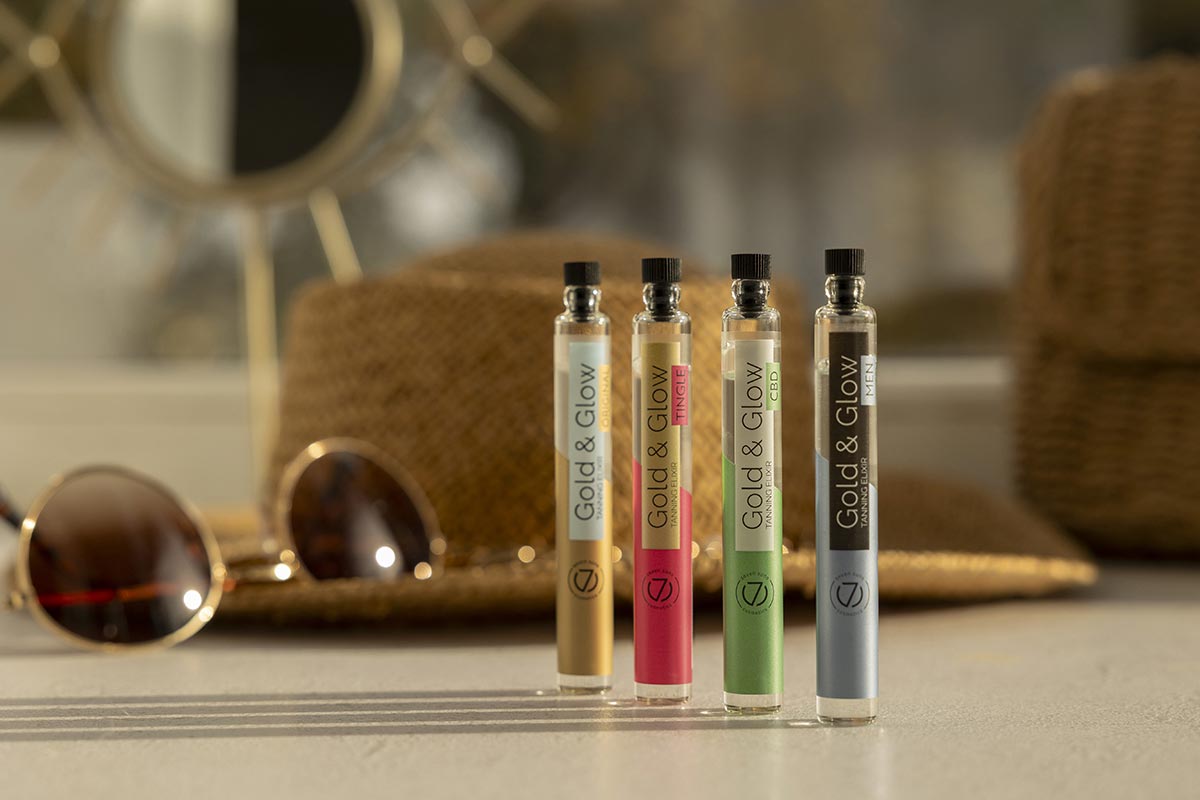
In salons, conversations rarely stop at ‘Which lotion is best for your skin?’. Customers may want to start gently, see colour immediately, avoid streaks, address dry skin or avoid the burning sensation they experienced with a previous product. A professional range offers ways to respond to these differing needs.
A good consultation therefore starts with a few questions: Is this your first session? How does your skin react to UV? Do you prefer gradual results or extra cosmetic colour? Are you familiar with DHA bronzers or tingle products? Is your skin sensitive or irritated? Only then is it time to recommend a product.
For the salon, the right cosmetic is part of the overall experience, alongside advice, hygiene, comfort and considered session planning. For the customer, it is not about selling the ‘strongest lotion’, but offering an informed choice with clear application guidance.
It is about purpose and suitability, not where you shop
The distinction between high-street and professional cosmetics is not a simple judgement of quality. It mainly concerns their intended use. For a tanning session, choose a product developed for sunbeds and suited to your desired effect. Ask about its type, application and aftercare instructions. The best product is not the one with the highest ‘strength’ but the one suited to your skin, your expectations and the particular occasion.